

The Importance of Routine: Balancing Family Life with Pet Care
For many families, pets are cherished members of the household. They bring joy, companionship, and countless moments of laughter. However, integrating pet care into an already busy family schedule can be challenging. This is where the importance of routine comes into play. Establishing a structured routine for pet care not only ensures that your pet’s needs are met but also helps balance family life, reduce stress, and foster a harmonious environment for everyone.
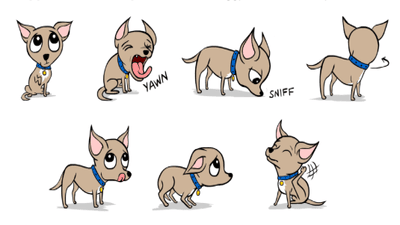
How to Teach Your Child to Read a Pet's Body Language
Pets are an integral part of many families, providing companionship, love, and valuable life lessons for children. However, communicating with pets isn’t as straightforward as talking to humans. Pets rely heavily on body language to express their feelings, needs, and boundaries. Teaching your child to read a pet’s body language is an essential skill that can prevent misunderstandings, reduce the risk of accidents, and foster a deeper bond between your child and their furry friend.

Balancing Work and Pet Parenting: Tips for Busy Owners
In today's fast-paced world, many pet owners find themselves balancing the demands of work with the responsibilities of pet parenting. With busy schedules, long work hours, and the unexpected challenges that life can throw our way, ensuring that our pets receive the care, attention, and love they deserve can be a daunting task.

Pets and Newborns: How to Prepare Your Pet for a Baby's Arrival
Welcoming a newborn into your family is an exciting and transformative experience. However, if you’re a pet owner, this significant life change also requires careful preparation to ensure a smooth transition for your furry friend. Pets, especially dogs and cats, thrive on routine and familiarity, and the arrival of a baby can disrupt their sense of stability. By taking proactive steps to prepare your pet for the baby’s arrival, you can help them adjust to the new family dynamics and ensure a harmonious envi

The Best Pets for Families with Busy Schedules
In today’s fast-paced world, many families juggle work, school, extracurricular activities, and social commitments, leaving little time for pet care. However, the benefits of having a pet—such as companionship, stress relief, and teaching responsibility—are undeniable. The good news is that there are pets perfectly suited for families with busy schedules. These pets require less time, attention, and maintenance, making them ideal for households that can’t dedicate hours each day to pet care.
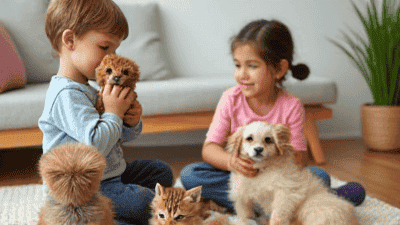
Creating a Safe Space: How to Balance Kids and Pets at Home
Bringing pets and children together under one roof can be a source of endless joy, laughter, and lifelong memories. However, it also requires careful planning to ensure that both kids and pets feel safe, comfortable, and respected in their shared environment. Balancing the needs of children and pets can be challenging, but with the right strategies, you can create a harmonious home where everyone thrives.

Managing Multi-Pet Households: Keeping the Peace at Home
Owning multiple pets can bring immense joy and companionship into our lives. However, it also presents unique challenges when it comes to maintaining harmony in the household. Whether you have dogs, cats, birds, or a combination of different animals, managing a multi-pet household requires careful planning, understanding, and patience.
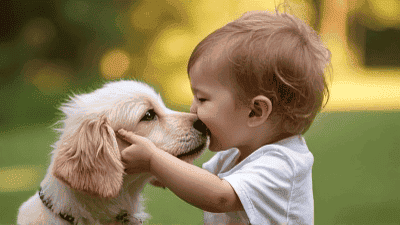
How to Help Your Child Build a Lifelong Bond with Your Pet
Pets bring immeasurable joy, companionship, and life lessons into a family, especially for children. The bond between a child and their pet can be one of the most meaningful relationships they will ever experience, teaching them about love, responsibility, empathy, and compassion. However, building and nurturing this bond requires effort, understanding, and intentionality.

How to Teach Your Child to Respect a Pet's Boundaries
Bringing a pet into your family is a wonderful way to teach children about responsibility, empathy, and compassion. However, it’s essential to teach your child to respect a pet’s boundaries to ensure a harmonious and safe relationship. Pets, like humans, have their own needs, preferences, and limits, and understanding and respecting these boundaries is key to fostering a positive bond between your child and their furry friend.

How to Create a Pet-Friendly Household with Kids in Mind
Bringing pets and children together under one roof is a wonderful way to teach kids about responsibility, empathy, and unconditional love. However, it also requires thoughtful planning to ensure that both kids and pets feel safe, comfortable, and happy in their shared environment. Creating a pet-friendly household with kids in mind involves more than just choosing the right pet—it’s about designing a home that meets the needs of both children and animals.
Popular Posts

How to Stop Your Puppy from Chewing Everything in Sight
Bringing a puppy into your life can be an incredibly joyful experience. Their playful nature, boundless energy, and affection often brighten our days. However, one of the most common challenges puppy owners face is the tendency for their young dogs to chew on anything and everything in sight.

Meet the Maine Coon: The Gentle Giant of the Cat World
The Maine Coon cat is a breed that captures the hearts of many with its striking appearance and affectionate personality. Known for their impressive size, tufted ears, and bushy tails, these gentle giants are not only one of the largest domesticated cat breeds but also one of the most beloved.

The Ultimate Guide to Dental Care for Dogs and Cats
Maintaining the health of your pets goes beyond just providing regular food and exercise; dental care is a crucial aspect that often gets overlooked. Just like humans, dogs and cats can suffer from dental diseases that may lead to serious health issues if left untreated.